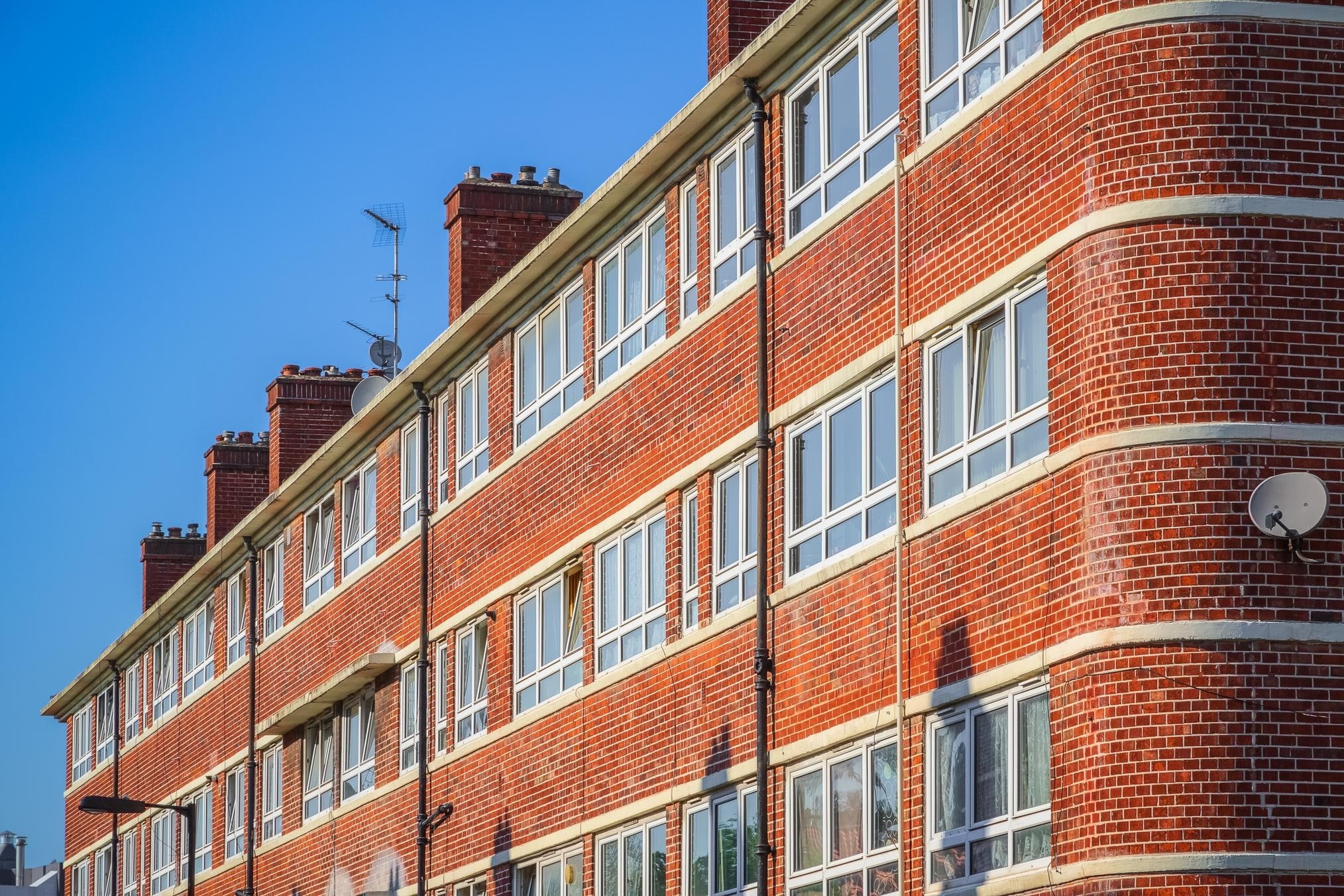
External Wall Insulation
Insulation

By working with trusted installation partners, we help deliver durable results that enhance energy efficiency and protect your property.
Cut heat loss, lower carbon emissions, and give your property a fresh new finish.
Uninsulated solid walls can lose heat twice as fast as cavity walls, making them one of the biggest sources of energy waste in older homes. According to the Energy Saving Trust, adding external wall insulation could save up to £435 a year on heating costs and cut around 1,770kg of CO₂ annually.
The better insulated your home is, the less energy you use, and the more you save.
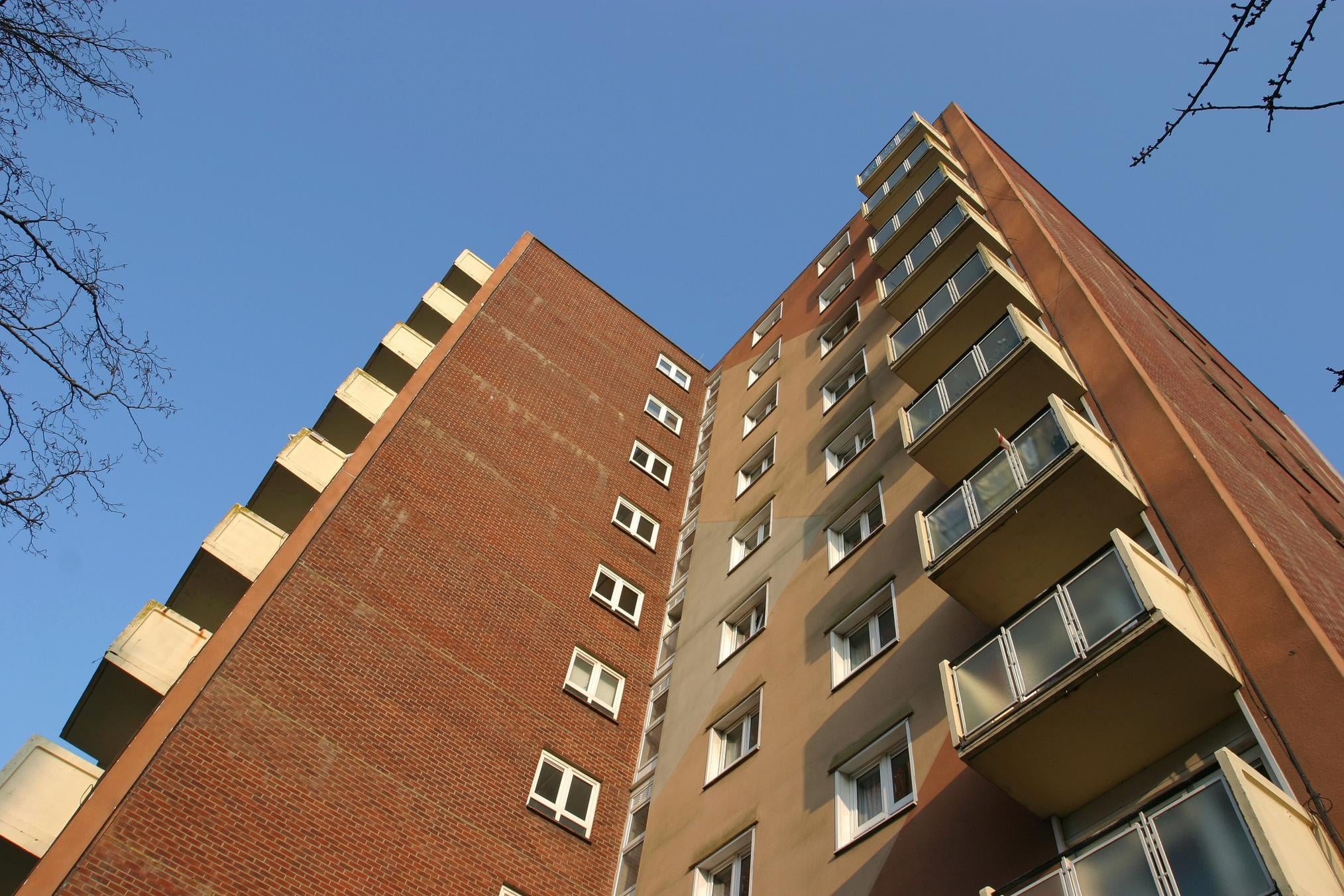
The insulation is typically finished with a protective and decorative layer such as render or cladding, which helps retain heat while also giving the property a refreshed look.
A wide range of finishes are available, including smooth or textured render, tiled, panelled, brick-effect, or pebble-dashed styles, so the final result can be tailored to match the property’s character.
Domna advises on trusted systems such as SPS Envirowall, Wetherby, Permaroc, and Knauf, helping you choose solutions that are high quality, durable, and suited to your home.
During the survey, we will:
This upfront assessment ensures the process is well planned, compliant, and designed to achieve results that perform effectively and look good.
External wall insulation is a high-impact retrofit solution that improves energy efficiency, protects your property, and enhances its appearance – all without disrupting life inside the home.
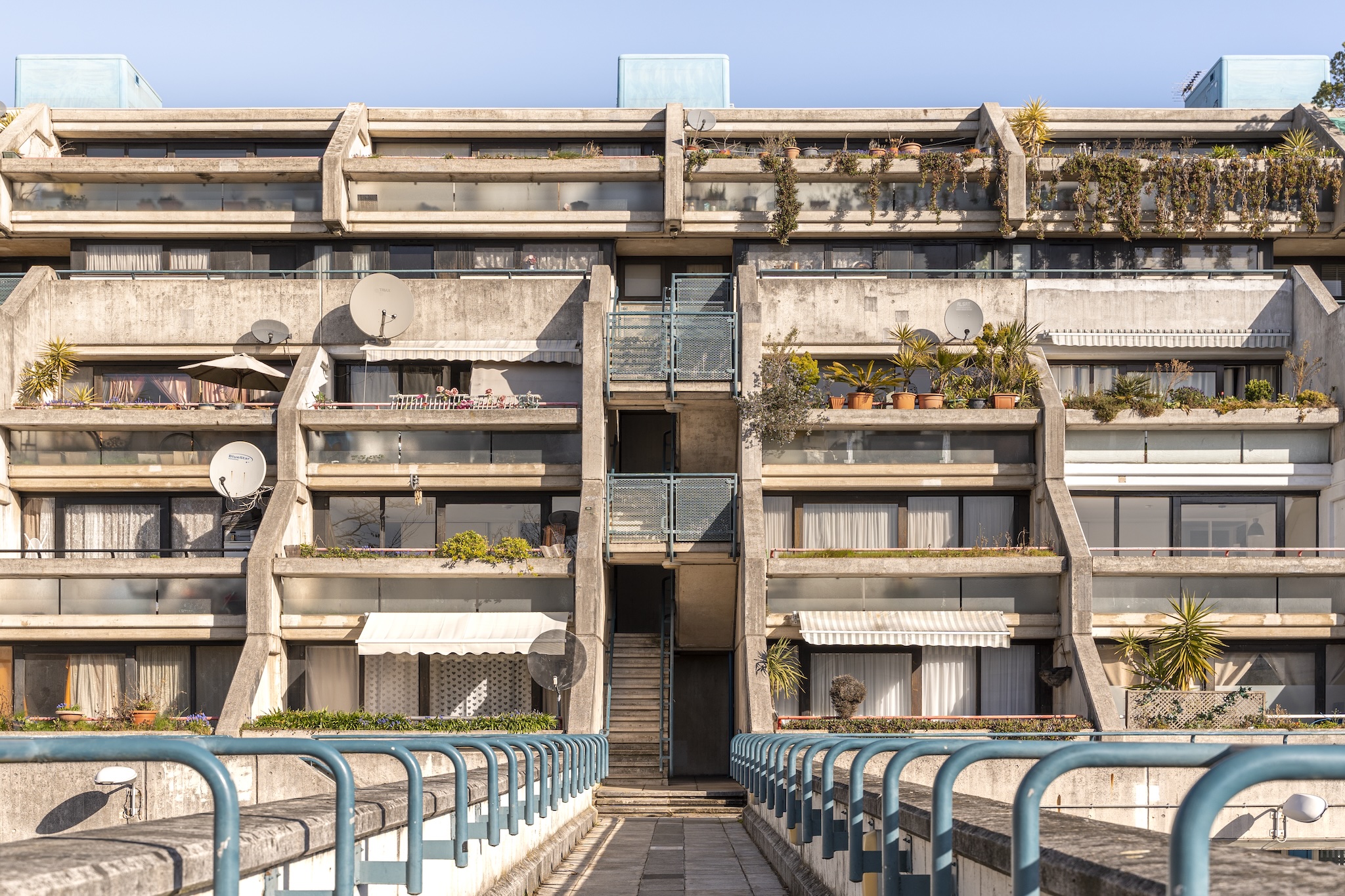
Once complete, external wall insulation can refresh a property with a new exterior finish while also contributing to lower heating costs, reduced maintenance needs, and greater protection from the elements for years to come.
Stage 1: Prepare the property – Scaffolding may be required, and external wall fixtures such as lights, pipes, or vents may need to be removed or extended to allow for installation.
Stage 2: Install the starter track – A supporting track is typically fitted around the base of the property at damp-proof course level, ready to hold the insulation system in place.
Stage 3: Fix the insulation boards – High-performance insulation boards are attached to the external walls using a cement-based adhesive and securely fixed with mechanical pins.
Stage 4: Apply base coat and mesh – A reinforced base coat and glass fibre mesh are applied to stabilise the surface and prevent cracking over time.
Stage 5: Final finish – A primer is applied, followed by the chosen decorative finish. Options include smooth render, brick slips, or textured coatings, giving the property a clean, modern look with no need for repainting for years.
With 900kt of CO2 saved and 50 institutional landlords served it is little wonder why business choose Domna